Monday, January 16, 2023

WEATHER PREDICTION USING ENSEMBLE METHODS

Written  by: Monisha M , Sneha S (1st year MCA)

ABSTRACT

Weather prediction is dominated by high dimensionality, interactions on many different spatial and temporal scales and chaotic dynamics. This makes many problems in the field quite complex ones, and also state of the art numerical models are - despite their immense computational costs - not sufficient for many applications. Therefore, it is appealing to use emerging new technologies such as artificial intelligence to tackle these problems. One of the methods used are emsemble methods, Ensemble forecasting is a method used in or within numerical weather prediction. Instead of making a single forecast of the most likely weather, a set (or ensemble) of forecasts is produced. This set of forecasts aims to give an indication of the range of possible future states of the atmosphere. Ensemble forecasting is a form of Monte Carlo analysis. The multiple simulations are conducted to account for the two usual sources of uncertainty in forecast models: 

 The errors introduced by the use of imperfect initial conditions, amplified by the chaotic nature of the evolution equations of the atmosphere, which is often referred to as sensitive dependence on initial conditions.

 The errors introduced because of imperfections in the model formulation, such as the approximate mathematical methods to solve the equations. Ideally, the verified future atmospheric state should fall within the predicted ensemble spread, and the amount of spread should be related to the uncertainty (error) of the forecast. In general, this approach can be used to make probabilistic forecasts of any dynamical system, and not just for weather prediction.

KEYWORDS

 Monte Carlo analysis: Monte Carlo methods, or Monte Carlo experiments, are a broad class of computational algorithms that rely on repeated random sampling to obtain numerical results. 

 Sensitive dependence on initial conditions: In chaos theory, the butterfly effect is the sensitive dependence on initial conditions in which a small change in one state of a deterministic nonlinear system can result in large differences in a later state.

 Dynamical system:In mathematics, a dynamical system is a system in which a function describes the time dependence of a point in an ambient space, such as in a parametric curve. Examples include the mathematical models that describe the swinging of a clock pendulum.

 Numerical weather prediction: NWP uses mathematical models of the atmosphere and oceans to predict the weather based on current weather conditions.

INTRODUCTION

Weather forecast is to use modern science and technology to predict the state of the Earth’s atmosphere at a certain place in the future. Since prehistory, human beings have begun to predict the weather to arrange their work and life accordingly (such as agricultural production and military operations). Today’s weather forecast mainly uses the collection of a large number of data (temperature, humidity, wind direction and wind speed, air pressure, etc.), and then uses the current understanding of atmospheric processes (meteorology) to determine future air changes. Because of the disorder of atmospheric process and the fact that science does not know it thoroughly, there are always some errors in weather forecast. Due to the inherent practical uncertainty in weather forecasts, the forecasts are never perfect. In many contexts in which weather forecasts are used it is not sufficient to only have a forecast, but also a measure of uncertainty is needed. The standard method that has been developed to accomplish this is ensemble forecasting . Here, not a single forecast is made with a NWP model, but a whole range (often 10-50) forecasts, which thus form an "ensemble". The different runs are made with slightly different starting conditions, slightly different model formulations, random components in the model, or a combination of these. The difference between the individual forecasts can then be used to get the range (including probabilities) of future weather states. While harder to interpret than a single forecast, for many applications, this makes the forecasts much more valuable than single forecasts , and is now standard practice in weather services around the world. The uncertainty associated with every forecast means that different scenarios are possible, and the forecast should reflect that. Single ‘deterministic’ forecasts can be misleading as they fail to provide this information. Take agriculture as an example: a farmer needs to know the range of possible conditions the crops may experience so that they can be protected. Ensemble forecasts show how big that range is at different forecast times. By generating a range of possible outcomes, the method can show how likely different scenarios are in the days ahead, and how long into the future the forecasts are useful. The smaller the range of predicted outcomes, the ‘sharper’ the forecast is said to be. Good ensemble forecasts are not just sharp but also reliable. If a reliable forecast says that there is a 70% chance of top temperatures rising above a certain threshold, then in 70% of cases when such a forecast is made temperatures will indeed rise above that threshold.Lack of knowledge does significantly increase uncertainty in the forecast. This is why there is much work going into improving our knowledge of initial conditions and of atmospheric processes that computer models need to mirror. In addition, the atmosphere is a chaotic system. This means that it is sensitively dependent on initial conditions. In a chaotic system, a slight change in the input conditions can lead to a significant change in the output forecast. In a non- chaotic system, small differences in initial conditions only give small differences in output. Hence, it is important in weather forecasting to investigate how sensitive the atmosphere is at any stage to initial conditions. Ensemble forecasting does this by looking at a spread of possible outcomes.

METHODOLOGIES

K-Nearest Neighbour:

k-Nearest Neighbours algorithm for predict whether through previous data to determine the expected temperature and humidity the prediction results were compared with real results, the comparison was good and acceptable.

Data Mining is a technology that facilitates extracting relevant and which have factors in common from the set of data. It is the process of analysis data from different perspectives and discovering problems, patterns, and correlations in data sets that are useful for predicting outcomes that help you make a correct decision. Weather Prediction is a field of meteorology that is created by collecting dynamic data related to the current state of the weather such as temperature, humidity, rainfall, wind. In this paper, we designed a system using a classification method by k-Nearest Neighbours algorithm for predict whether through previous data to determine the expected temperature and humidity the prediction results were compared with real results, the comparison was good and acceptableData Mining is a technology that facilitates extracting relevant and which have factors in common from the set of data. It is the process of analysis data from different perspectives and discovering problems, patterns, and correlations in data sets that are useful for predicting outcomes that help you make a correct decision. Weather Prediction is a field of meteorology that is created by collecting dynamic data related to the current state of the weather such as temperature, humidity, rainfall, wind. In this paper, we designed a system using a classification method by k-Nearest Neighbours algorithm for predict whether through previous data to determine the expected temperature and humidity the prediction results were compared with real results, the comparison was good and acceptableData Mining is a technology that facilitates extracting relevant and which have factors in common from the set of data. It is the process of analysis data from different perspectives and discovering problems, patterns, and correlations in data sets that are useful for predicting outcomes that help you make a correct decision. Weather Prediction is a field of meteorology that is created by collecting dynamic data related to the current state of the weather such as temperature, humidity, rainfall, wind. In this paper, we designed a system using a classification method by k-Nearest Neighbours algorithm for predict whether through previous data to determine the expected temperature and humidity the prediction results were compared with real results, the comparison was good and acceptable. 

Support Vector Machine: Key research interest of weather prediction using support vector machine is to analyse the accuracy of the result forecasted and compare it with the forecasted result using multilayer perception network. Compared to traditional methods, both techniques produce highly accurate results. Support vector machine is the most concerned algorithm in machine learning. It comes from statistical learning theory. From the practical application, SVM is very good in all kinds of practical problems. It is widely used in handwritten digit recognition and face recognition and plays an important role in text and hypertext classification because SVM can greatly reduce the needs of standard inductive and transductive settings for marker training examples. At the same time, SVM is also used to perform image classification and image segmentation system. Experimental results show that, after only three or four rounds of correlation feedback, SVM can achieve much higher search accuracy than the traditional query refinement schemes. In addition, biology and many other sciences are the favourites of the SVM. SVM has been widely used in protein classification, and the industry average level of the compound classification can reach more than 90% accuracy. In the cutting-edge research of biological science, support vector machine is also used to identify various features used for model prediction, so as to find out the influencing factors of various gene expression results. From the academic point of view, SVM is a machine learning algorithm close to deep learning. Linear SVM can be regarded as a single neuron of neural network (although loss function is different from the neural network), while nonlinear SVM is equivalent to a two-layer neural network. If multiple kernel functions are added to the nonlinear SVM, multilayer neural network can be imitated.

Gradient Boost: Gradient boosting is a machine learning technique used in regression and classification tasks, among others. It gives a prediction model in the form of an ensemble of weak prediction models, i.e., models that make very few assumptions about the data, which are typically simple decision trees. It builds predictive models by combining an ensemble of weak learners in a sequential manner. It aims to create a strong learner by iteratively minimizing the errors made by the previous models. The core idea is to fit subsequent models to the residuals of the previous models, gradually improving predictions with each iteration.

CASE STUDY

The agricultural sector's day-today operations, such as irrigation and sowing, are impacted by the weather. Therefore, weather constitutes a key role in all regular human activities. Weather forecasting must be accurate and precise to plan our activities and safeguard ourselves as well as our property from disasters. Rainfall, wind speed, humidity, wind direction, cloud, temperature, and other weather forecasting variables are used in this work for weather prediction. Many research works have been conducted on weather forecasting. The drawbacks of existing approaches are that they are less effective, inaccurate, and time-consuming. To overcome these issues, this paper proposes an enhanced and reliable weather forecasting technique. As well as developing weather forecasting in remote areas. Weather data analysis and machine learning techniques, such as Gradient Boosting Decision Tree, Random Forest, Naive Bayes Bernoulli, and KNN Algorithm are deployed to anticipate weather conditions. A comparative analysis of result outcome said in determining the number of ensemble methods that may be utilized to improve the accuracy of prediction in weather forecasting. The aim of this study is to demonstrate its ability to predict weather forecasts as soon as possible. Experimental evaluation shows our ensemble technique achieves 95% prediction accuracy. Also, for 1000 nodes it is less than 10 s for prediction, and for 5000 nodes it takes less than 40 s for prediction.

FORECAST RANGES

The atmosphere exhibits variability over a large range of different timescales. Since different physical mechanisms are behind the changes over different timescales, and also for practical reasons, the field of weather prediction is usually split into several time-horizons. While these time-horizons of course don't have "sharp" boundaries, both the techniques and the type of forecast quantities are different for the different regimes. The further ahead the fore- cast, the larger the spatial scales for which the forecast makes sense (from km to continental scale), and the longer the temporal averaging of the forecast, from minutes over seasonal means up to multi-decade statistics. 

Nowcasting : Nowcasting deals with forecasting the weather (mainly precipitation) over the next minutes, with maximum a couple of hours ahead. Many methods rely solely on precipitation radar images and extrapolation of the radar fields into the near-future ,but also integrated systems with NWP models exist. The essential difference to the other regimes is that the weather is influenced only very locally at this range.

Short-range : The short-range goes up to -48 hours. In this time-horizont, even the regional weather is already influenced globally or at least near-globally, meaning a purely local approach is not feasible anymore. In operational practice, forecasts for this range are usually made with regional high-resolution models that are nested in coarser global models.

Medium range:The medium range covers the evolution and lifetime of mid latitude weather systems (high and low pressure systems), which govern the weather on the scale of a couple of days to up to two weeks. The main goal is to forecast trends (for example in temperature and in weather patterns) and the occurrence of strong cyclones. Forecasts for this range are made by global NWP models. This range is also were the theoretical predictability limit of the atmosphere is thought to be in ,For current NWP systems, from roughly one week onward, deterministic (single) forecasts are not useful any- more. Therefore, the concept of ensemble forecasting has been developed first for the medium range and is thus in widespread used here.

Sub-seasonal: The field of sub-seasonal prediction deals with forecasts up to 60 days ahead .This field is relatively young, but has gained a lot of attention over the last years. For the tropics, the focus lies on predicting the Madden-Julian Oscillation, and in the mid-latitudes on the identification of situations in which the predictability horizon is longer than usual due to specific states of the atmosphere. Sub-seasonal forecasting is done with the same (or similar) models as medium range forecasting.

Seasonal: Seasonal prediction aims to predict the mean weather of the next seasons, roughly up to 1 year ahead, even though some progress has also been made on predictions more than 1 year ahead. Since this is far beyond the predictability limit of the atmosphere, the goal is not to predict the weather at a certain day, but only the statistics, for example mean temperature or precipitation anomalies over the season (e.g. the season will be wetter than usual). Seasonal forecasts are nearly exclusively done in a probabilistic way. For most of the regions of the world, the potential of seasonal forecasts is closely related to the El-Nino southern oscillation phenomenon. In contrast to the shorter time ranges, the exact initial state of the atmosphere is not as crucial for seasonal predictions. Seasonal prediction is done both with global numerical models and with statistical models. The global numerical models are very similar to NWP models, and the transition to climate models is fluent.

CONCLUSION

Ensemble model outputs can include a range of possible outcomes from parallel base models, instead of a single number. Real-world events have many possibilities, to which models only provide an ‘estimate’ for what is likely to happen. In this light, different models rely on different assumptions , that provide different perspectives for prediction. The performance of models are measured in probabilities of being correct, so even the lowest performing model still has a small chance of being correct. The job of ensemble models is to incorporate these uncertainties into an ensemble forecast.

Thursday, December 8, 2022

Enhancing Mental Health with Speech Emotion Recognition: A Neural Network Approach

Written by :  Tarun M L , Abhilash G R (1st year MCA) 

ABSTRACT

Speech Emotion Recognition (SER) stands at the forefront of computer science, holding great promise and significance. Emotions, conveyed through speech tones, are pivotal in professions like surgery and military command, where emotional control is paramount. Yet, finding emotions in speech is a complex task, marked by the unique tonal and intonational variations among individuals. This research looks to decide the most precise method for classifying emotions in spoken language. Our journey traverses the realm of machine learning, with a comparative analysis of two robust classifiers: the Support Vector Machine (SVM) and the Multilayer Perceptron (MLP) Classifier. SVM excels in processing clean sound input but falters in the presence of noisy data due to its reliance on a single decision boundary. In contrast, the MLP Classifier, embedded within the domain of artificial neural networks, adeptly manages intricate time series data, making it a more adaptable and scalable solution for emotion recognition. Beyond its applications in speech analysis, SER finds increasing relevance in the realm of mental health. Continuous analysis of emotional states through speech aids in the early detection and monitoring of mental health conditions. This technology empowers individuals and professionals to raise awareness and offer prompt support. This article explores the dynamic interplay between machine learning and emotion recognition, highlighting the strengths and limitations of SVM and the MLP Classifier. It underscores SER's pivotal role, not only in various industries but also in the critical domain of mental health support, making the bridge between technology and emotions increasingly vital.

KEYWORDS : Neural Networks, Speech Emotion Recognition (SER), Tone and pitch, MLP- Classifier, RAVDESS, MFCC, Mel Spectrogram Frequency, Tonnetz, Decimal encoding, Accuracy, Audio parameters, Human-computer interaction.

INTRODUCTION

Speech Emotion Recognition (SER) has evolved into a central focus within the expansive realm of computer science, signifying its continuous evolution and increasing significance. It pertains to the recognition and interpretation of emotions conveyed through speech, a capability that holds pivotal importance in a diverse array of professional domains, ranging from surgery to military command. In these high-stakes arenas, the ability to master emotional regulation becomes an indispensable skill. Nevertheless, the endeavour of understanding and predicting emotions communicated through speech is by no means straightforward. The challenge lies in the distinctive tonal and intonational variations that define each individual's voice, making the task complex and multifaceted. Amid the vast spectrum of human emotions, which spans from joy and anger to neutrality, sorrow, and astonishment, this research embarks on an ambitious journey to navigate the intricate landscape of emotion recognition in speech. The central aim is to find the most precise method for classifying these nuanced emotional states within given speech samples. Fulfil this mission, our expedition takes us deep into the domain of machine learning, with a particular focus on the potential of the multilayer perceptron (MLP). Within the context of emotion classification, we engage in a comprehensive comparative analysis of two robust classifiers: the Support Vector Machine (SVM) and the MLP Classifier. Our aim is to dissect their unique strengths and limitations, offering valuable insights into their utility within the context of emotion recognition. The Support Vector Machine, renowned for its ability in handling clean sound input, excels in scenarios where the data is pristine and free from distortions. However, its predictive accuracy diminishes notably when confronted with noisy input. This limitation is rooted in the SVM's reliance on a single decision boundary, referred to as a 'plane,' which, by nature, is less adaptable to the intricate nuances present within speech patterns. While SVM stays robust in specific scenarios, it meets challenges when dealing with the complex, time-series- based nature of speech data. Our exploration into these two classifiers reveals an intriguing paradox. While SVM achieves commendable accuracy in its predictions, it does so at the cost of increased computational demands, making it a resource-intensive choice. In contrast, the MLP Classifier, running within the realm of artificial neural networks, shows a unique ability to navigate intricate time series data with finesse. Within the context of emotion recognition, the MLP Classifier appears as a more adaptable and scalable choice, poised to capture the subtleties and intricacies inherent in the expression of human emotions. In the vast tapestry of emotion recognition, our exploration extends beyond the boundaries of speech analysis. It stretches into the realm of mental health applications, where continuous analysis of emotional states through speech supplies invaluable insights for early detection and monitoring of mental health conditions. This technology empowers individuals and professionals to raise awareness and offer prompt support. Consequently, SER serves as a promising tool, not only across diverse industries but also in the critical arena of mental health support. This article embarks on a thorough investigation into the dynamic interplay between machine learning and the intricate landscape of human emotions. Our journey through emotion recognition illuminates the comparative strengths and limitations of SVM and the MLP Classifier, offering valuable insights into their applicability within the multifaceted realm of speech emotion recognition. In summary, the intersection of technology and emotions is not only a growing field of innovation but also a significant contributor to advancements in various professional domains and mental health support.

METHODOLOGY

In our pursuit of harnessing the power of Speech Emotion Recognition (SER) for mental health applications, a robust and systematic method is paramount. This section delineates the step-by-step process, tools, and procedures we employ to effectively integrate SER into the domain of mental health support.

A. Dataset Utilization

The foundation of any SER-based application lies in the quality and relevance of the dataset used. In this endeavour, we use the Ryerson Audio-Visual Database of Emotional Speech and Song (RAVDESS). This database features 24 actors, equally divided between male and female, and covers a diverse range of emotions, including sad, happy, neutral, angry, disgust, surprised, fearful, and calm expressions. Given our focus on speech-based emotion recognition, we train our model solely on audio data from this extensive dataset.

B. Feature Extraction

Unravel the emotional content embedded in speech, the first step involves the extraction of pertinent features. Our feature extraction process encompasses the following five crucial elements:

1. Mel Frequency Cepstral Coefficients (MFCC): MFCCs are employed to transform audio signals into a format amenable for analysis. This process involves the use of distinct hop lengths and HTK-style Mel frequencies, anchored by a reference point set at 1 kHz tone and 40 dB over the perceptual audible threshold. The MFCC supplies a Discrete Cosine Transform (DCT) of the natural logarithm of the short-term energy displayed on the Mel frequency scale, thereby serving as a foundational feature in our method.

2. Mel Spectrogram Frequency: The Mel scale, with its ability to relate clear pitch to actual estimated frequency, plays an indispensable role. The Mel scale empowers our features to capture the intricacies of human auditory perception, effectively highlighting minute pitch changes at lower frequencies, which aligns closely with human auditory capabilities.

3. Chroma Feature: The Chroma feature is instrumental in characterizing the tonal content of the audio signal in a condensed manner. It enables a more comprehensive understanding of the tonal and harmonic aspects of the emotional content in speech. A high-quality Chroma feature enhances the performance of elevated-level semantic analysis, such as chord recognition or harmonic similarity measurement, which are invaluable in our mental health application.

4. Tonnetz: The Tonnetz feature is a pitch space defined by the network of relationships between musical notes. This feature excels in capturing the harmony and melody aspects of audio data, making it a vital part in recognizing emotional nuances within speech. The Tonnetz feature effectively models the relative distances between pitch intervals, offering valuable insights into emotional expression.

C. Neural Network Architecture

The core of our SER-based mental health application lives in the design of a Multilayer Perceptron (MLP) Classifier. This neural network architecture is tailored to accommodate the specific requirements of our application:

1. Input Layer: Our MLP Classifier features an input layer designed to receive the extracted audio features, which are essential for discerning emotional cues embedded within the speech.

2. Hidden Layers: The hidden layers, in our case, are structured with (40, 80, 40) neurons. The choice of hidden layers is a critical element in the network's ability to process and analyse the intricate time series data present in emotional speech.

3. Activation Function: We employ the logistic activation function within the hidden layers, easing the network's ability to act upon the input data and perform critical processing tasks.

4. Output Layer: The output layer is the pinnacle of the network, responsible for deciphering the emotional content within the speech. It classifies and outputs the predicted emotion, a crucial element in our mental health application's decision-making process.

D. Training and Learning

The success of our SER-based mental health application hinges on the training phase. During training, the MLP Classifier learns the intricate correlations between the input audio features and the corresponding emotional states. Our method employs Backpropagation as the learning algorithm, a fundamental technique that drives the network to adjust model parameters, including weights and biases, to minimize the prediction error. The error minimization process is essential in refining the network's predictive accuracy and enhancing its ability to recognize emotions within speech.

E. Multi-Layer Perceptron Classifier (MLP Classifier)

Our SER-based mental health application leans on the Multi-Layer Perceptron Classifier, which uses an underlying Neural Network to perform classification. This integral part undergoes the following stages:

1. Initialization: The MLP Classifier is initialized by defining and configuring the required parameters, setting the stage for later steps.

2. Training: The Neural Network is trained using the extracted audio features and corresponding emotional labels. This phase empowers the MLP Classifier to learn the complex relationships between audio features and emotions.

3. Prediction: Post-training, the MLP Classifier is employed to predict emotional states in real-time, supplying a valuable tool for analysing and watching emotional well-being.

4. Accuracy Assessment: The predictions generated by the MLP Classifier are rigorously assessed to gauge the accuracy of the model, a critical step in confirming the efficacy of our SER-based mental health application. This comprehensive method underpins the seamless integration of SER technology into the domain of mental health. By following these rigorous steps, we aim to use the power of speech-based emotion recognition to enhance early detection, monitoring, and support for mental health conditions. Our method is designed to foster the constructive interaction between technology and emotional intelligence, bridging the gap between the digital realm and the well-being of individuals.

CONCLUSION

In the ever-evolving landscape of technology and human emotions, Speech Emotion Recognition (SER) appears as a compelling fusion of human expression and artificial intelligence. This journey has untraveled the potential for SER to bridge the divide between the digital and the emotional, offering promising applications that extend far beyond the confines of scientific exploration. SER, at its core, delves into the intricate melodies of human emotion, where the cadence of speech reveals the depths of our feelings. From the harmonious dance of joy to the thunderous rhythms of anger, the nuances within our voice form a mosaic of emotions. The path we've trodden, grounded in the Multilayer Perceptron (MLP) Classifier and fuelled by the Ryerson Audio-Visual Database of Emotional Speech and Song (RAVDESS), has been an odyssey of understanding and harnessing these emotional cues. Our method, marked by the precision of feature extraction and the sophistication of neural network design, illuminates the intricacies of emotion recognition. Backpropagation and the Multi-Layer Perceptron Classifier serve as the enablers of this technology, driving it toward the realm of practicality. As our journey concludes, the broader implications of SER become clear. Beyond the boundaries of research, this technology converges with the pragmatic arena of mental health. The continuous analysis of emotional states through speech opens doors to early detection and ongoing monitoring of mental well-being. SER empowers individuals and professionals, supplying a lifeline of emotional awareness in the complex landscape of mental health support. 

In this confluence of technology and emotions, the line between the digital and the human blurs. SER, beyond its industrial applications, finds a profound purpose in mental health support. This constructive collaboration between technological prowess and empathy heralds a new era of innovative solutions, bridging the gap between the digital realm and our profound emotional experiences. In summary, our exploration reaffirms that with every step forward, we inch closer to a world where the eloquence of speech fortifies emotional well-being. Speech Emotion Recognition is not just a technological innovation; it's a testament to our evolving relationship with technology and emotions, offering a promising avenue for enhancing the human experience.

Friday, November 11, 2022

NATURAL LANGUAGE PROCESSING

Written by :  Nayana A , Tanuja Nayak (1st year MCA)

ABSTRACT

Natural Language Processing (NLP) is a branch of artificial intelligence focusing on the interaction between computers and human language. It involves the development of algorithms and techniques to enable computers to understand, interpret, and generate natural language. NLP encompasses various tasks, including language understanding, language generation, information extraction, sentiment analysis, machine translation, and question answering. Using statistical models, machine learning, and linguistic rules, NLP systems can process and analyse text or speech data to extract meaning, infer intent, and generate appropriate responses. Key components of NLP include tokenization (breaking text into individual words or units), part-of- speech tagging (Labeling words with their grammatical categories), syntactic parsing (analysing the structure of sentences), semantic analysis (extracting meaning from text), and named entity recognition (identifying and classifying named entities such as names, locations, or organizations). NLP techniques are applied in various applications and industries. In customer service, NLP powers chatbots and virtual assistants to provide automated responses and support. In social media analysis, NLP enables sentiment analysis to understand public opinion and trends. In healthcare, NLP helps extract information from medical records and assist in clinical decision-making. In language translation, NLP drives machine translation systems to convert text from one language to another. In information retrieval, NLP supports search engines to understand and retrieve relevant documents.

KEYWORDS - Natural language processing, tokenisation, normalisation, stemming, lemmatization, corpus, stop words, parts of speech (POS) tagging, statistical language modelling, bag of words

INTRODUCTION

Natural Language Processing (NLP) is a fascinating and dynamic field at the intersection of computer science, linguistics, and machine learning. It's primarily concerned with enabling effective communication between humans and computers through natural language. In essence, NLP strives to make computers comprehend, process, and generate human language, opening up a world of possibilities for numerous applications.

One of the most prominent applications of NLP can be observed in the realm of voice assistants like Amazon's Alexa and Apple's Siri. These intelligent systems leverage NLP techniques to understand spoken language, respond to user queries, and perform various tasks, ranging from setting alarms to providing weather updates. These applications have become an integral part of our daily lives, simplifying interactions with technology and making it more user-friendly. Another crucial area where NLP plays a pivotal role is machine translation. Services like Google Translate exemplify how NLP techniques can break down language barriers. They can automatically translate text or speech from one language to another, making global communication and information exchange more accessible. This not only facilitates cross-cultural communication but also aids in the dissemination of knowledge and information on a global scale. Text-filtering is yet another vital application of NLP. In the era of information overload, efficient text-filtering algorithms are indispensable. NLP-based text-filtering systems can automatically categorize, sort, and prioritize content. They are used in email spam filters, content recommendation systems, and social media content moderation. These applications help users manage the overwhelming volume of information on the internet, ensuring that they receive relevant and useful content while filtering out unwanted or harmful material. NLP's impressive progress can be largely attributed to recent advances in machine learning, particularly deep learning techniques. Deep learning models, such as recurrent neural networks (RNNs) and transformers, have revolutionized the field by providing more accurate and context- aware language processing capabilities. These models have made it possible to handle complex linguistic structures and nuances, making NLP applications more robust and user-friendly.

NLP can be divided into three fundamental components, each addressing a specific aspect of language processing:

1. Speech Recognition: This component focuses on converting spoken language into text. Speech recognition technology has come a long way, enabling the development of applications like automatic transcription services, voice-controlled devices, and more. It involves the use of acoustic models, language models, and various statistical techniques to accurately transcribe spoken words into written form. Speech recognition is crucial for enabling voice-based interactions with computers, making it possible for users to dictate text, control devices, and communicate with technology in a hands-free manner.

2. Natural Language Understanding: Natural language understanding is the core of NLP. It's about equipping computers with the ability to comprehend and extract meaning from human language. This involves parsing sentences, identifying entities and their relationships, and understanding the context of a conversation. Natural language understanding forms the foundation of applications like chatbots, sentiment analysis, and information retrieval systems. It enables computers to interpret user inputs, answer questions, and even offer personalized recommendations based on the content of text or speech.

3. Natural Language Generation: Natural language generation focuses on the opposite process, wherein computers generate human-like text or speech. This involves creating coherent, contextually relevant responses, articles, or even creative pieces of writing. NLP techniques in this domain are used for chatbots that can engage in human-like conversations, content generation for news articles, and even storytelling applications. Natural language generation has made it possible for machines to assist in content creation, automate report generation, and provide personalized responses in customer support scenarios.

History of NLP

The history of Natural Language Processing (NLP) is a fascinating journey marked by significant milestones and innovations in the field of computer science and linguistics. Here is a brief overview of the key historical developments in NLP:

1. 1950s and 1960s - The Birth of NLP:The origins of NLP can be traced back to the mid-20th century, with early work in machine translation. The Georgetown-IBM experiment in 1954 was one of the first notable efforts to use computers for language translation.

2. 1956 - Dartmouth Workshop: The Dartmouth Workshop in 1956, organized by John McCarthy, Marvin Minsky, Nathaniel Rochester, and Claude Shannon, is considered the birth of artificial intelligence (AI). NLP was a prominent topic of discussion during the workshop, setting the stage for AI research, including language processing.

3. 1960s - Early Rule-Based Approaches: During the 1960s, NLP research primarily focused on rule- based systems. Researchers attempted to codify grammatical rules and linguistic structures to analyze and generate text. This era saw efforts like the development of the "General Problem Solver" by Allen Newell and Herbert A. Simon.

4. 1970s - SHRDLU and Progress in Parsing: In 1972, Terry Winograd created the SHRDLU system, a groundbreaking experiment in natural language understanding. This system was capable of manipulating blocks in a virtual world using natural language instructions. Early progress was made in parsing, with the development of parsers that could analyze sentence structure and identify parts of speech.

5. 1980s - Knowledge-Based NLP:The 1980s witnessed a shift towards knowledge-based systems that incorporated semantic and world knowledge into language processing. Systems like XCALIBUR and KRL focused on understanding language in context.

6. 1990s - Statistical NLP and Corpus Linguistics: The 1990s brought about a transition to statistical approaches in NLP. Researchers began to rely more on large corpora of text to train and build models. Hidden Markov Models (HMMs) and n-gram models gained popularity.

7. 2000s - Rise of Machine Learning and Web Data: Machine learning techniques, particularly supervised and unsupervised learning, became increasingly prevalent in NLP. The availability of vast amounts of text data on the web, along with more powerful computational resources, fueled advancements in information retrieval, sentiment analysis, and machine translation.

8. 2010s - Deep Learning and Neural Networks: The 2010s marked a revolution in NLP with the widespread adoption of deep learning techniques, particularly neural networks. Models like Word2Vec, LSTM, and the introduction of the Transformer architecture, notably through the development of BERT (Bidirectional Encoder Representations from Transformers) and GPT (Generative Pre-trained Transformer) models, significantly improved language understanding and generation capabilities.

9. Recent Developments - NLP in Practical Applications: In recent years, NLP has found its way into a wide range of practical applications, including virtual assistants like Siri and Alexa, chatbots, language translation services, sentiment analysis for marketing, content recommendation systems, and more. These applications have become an integral part of our daily lives.

10. Ethical and Bias Considerations: With the growth of NLP, there is an increasing focus on addressing ethical concerns, such as bias in language models and privacy issues related to large language datasets.

NLP tasks

Human Language is filled with ambiguities that make it incredibly difficult to write software that accurately determines the intended meaning of text or voice data. Homonyms, Homophones, sarcasm, idioms, metaphors, Grammer and usage exceptions, difference and variations in sentence structure these few irregularities of human language that take humans years to learn, but programmers must teach natural language driven applications to identify and understand accurately from the start. Several NLP tasks break down human text and voice data in ways that help the computer make sense of what it's ingesting. Some of these tasks include the following:

1. Speech recognition: It is a task of reliably converting voice data to text data. Speech recognition is required for any application that follows voice commands or answers spoken questions. What makes speech recognition especially challenging is the way people talk—quickly, slurring words together, with varying emphasis and intonation, in different accents, and often using incorrect grammar.

2. Part of speech: It is also called as a Grammatical tagging, is the process of determining the part of speech of a particular word or piece of text based on its use and context. Part of speech identifies ‘make’ as a verb in ‘I can make a paper plane,’ and as a noun in ‘What make of car do you own?’

3. Word sense disambiguation: It is the selection of the meaning of a word with multiple meanings through a process of semantic analysis that determine the word that makes the most sense in the given context.

4. Named entity recognition, or NEM: it identifies words or phrases as useful entities. NEM identifies ‘Kentucky’ as a location or ‘Fred’ as a man's name.

5. Co-reference resolution: It is the task of identifying if and when two words refer to the same entity. The most common example is determining the person or object to which a certain pronoun refers (e.g., ‘she’ = ‘Mandy’), but it can also involve identifying a metaphor or an idiom in the text.

6. Sentiment analysis: attempts to extract subjective qualities—attitudes, emotions, sarcasm, confusion, suspicion—from text.

7. Natural language generation: It is sometimes described as the opposite of speech recognition or speech-to-text; it's the task of putting structured information into human language.

NLP use cases

Natural language processing is the driving force behind machine intelligence in many modern real-world applications.

1. Spam detection: The best spam detection technologies use NLP's text classification capabilities to scan emails for language that often indicates spam or phishing. These indicators can include overuse of financial terms, characteristic bad grammar, threatening language, inappropriate urgency, misspelled company names, and more.

2. Machine Translation: Google translation is the best example for this. Truly useful machine translation involves more than replacing words in one language with words of another. Machine translation tools are making good progress in terms of accuracy. A great way to test any machine translation tool is to translate text to one language and then back to the original.

3. Virtual agents and chatbots: Amazons Alexa, Apples Siri are the best example for virtual agents this uses speech recognition to recognize in voice commands and natural language generation to respond with appropriate action or helpful comments. Chatbots perform the same task to response to typed text entries. The best of these also learn to recognize contextual clues about human requests and use them to provide even better responses or options over time.

4. Social media sentiment analysis: NLP has become an essential business tool for uncovering hidden data insights from social media channels. Sentiment analysis can Analyse language used in social media posts, responses, reviews, and more to extract attitudes and emotions in response to products, promotions, and events–information companies can use in product designs, advertising campaigns, and more.

5. Text summarization: Text summarization uses NLP techniques to digest huge volumes of digital text and create summaries and synopses for indexes, research databases, or busy readers who don't have time to read full text. The best text summarization applications use semantic reasoning and natural language generation (NLG) to add useful context and conclusions to summaries.

FUTURE OF NLP

Natural language processing (NLP) has a bright future, with numerous possibilities and applications. Advancements in fields like speech recognition, automated machine translation, sentiment analysis, and chatbots, to mention a few, can be expected in the next years. NLP will become further integrated with other innovative technologies, such as artificial intelligence (AI), the Internet of Things (IoT), and blockchain. These integrations will enable even more automation and optimization of numerous processes, as well as safer and more efficient communication between devices and systems. Another area which can be included in NLP future scope is digital marketing. Companies are seeking ways to personalize their messaging and interact with consumers on a deeper level as online advertising grows more sophisticated. NLP can play an important role in this endeavour by assisting in the analysis and understanding of customer language patterns, sentiments, and preferences.

As a result, advertising campaigns can be more targeted and effective, and client engagement and loyalty can improve.

CONCLUSION

Natural Language Processing (NLP) is a dynamic and transformative field at the intersection of computer science, linguistics, and machine learning. It empowers computers to comprehend, process, and generate human language, bringing about a wide range of applications that have become integral to our daily lives. NLP's history, marked by significant milestones and innovations, reflects its continuous evolution. From rule-based approaches to the advent of deep learning, NLP has made tremendous progress in understanding and generating human language. The development of systems like Amazon's Alexa, Apple's Siri, and Google Translate showcases the practical impact of NLP in voice assistants and machine translation. NLP's critical tasks, such as speech recognition, part-of-speech tagging, and sentiment analysis, enable computers to process language data effectively. This is essential for applications like spam detection, virtual agents, and sentiment analysis in social media, improving communication and decision-making. The future of NLP holds exciting possibilities. Integrations with AI, IoT, and blockchain will enhance automation and communication between devices. NLP's role in digital marketing will contribute to more personalized and effective advertising campaigns, enhancing customer engagement and loyalty.

In conclusion, NLP continues to shape the way we interact with technology and each other. Its applications and ongoing advancements are improving efficiency, convenience, and personalization in various domains, making NLP a vital force in the ever-evolving world of artificial intelligence and language processing.

Wednesday, October 19, 2022

CHATGPT-REVOLUTIONIZING CONVERSATIONAL AI


Written by:T N Likhitha (1st year MCA)

ABSTRACT

This article offers an insightful journey into the world of ChatGPT, an innovative language model developed by OpenAI. It explores the evolutionary path of GPT models, from the first GPT-1 to the forefront GPT-4, and their profound influence on human-AI language interactions. The impact of ChatGPT extends across various industries, sparking discussions about job displacement, privacy concerns, and its potential to enhance human tasks. Delving into the model's architecture and capabilities, this article supplies a comprehensive understanding of the technology behind ChatGPT. GPT models have revolutionized the landscape of AI-powered language processing, with ChatGPT serving as the latest milestone in this journey. The article navigates through the historical development of these models, shedding light on their transformative power in communication, content generation, and more. Moreover, it addresses the critical concerns surrounding ChatGPT, including potential job displacement as AI takes on more language-related tasks. Privacy issues in the context of AI- generated content are also explored, highlighting the need for responsible usage. In conclusion, this article presents an in-depth exploration of ChatGPT's evolution, its role in reshaping industries, and the complex considerations that come with its advanced capabilities, offering readers a holistic perspective on this groundbreaking technology.

INTRODUCTION

In recent years, the world has seen a remarkable surge in artificial intelligence (AI) and natural language processing, ushering in a new era of human-AI interaction and communication. Among the standout advancements in this transformative field is ChatGPT, a sophisticated chatbot engineered by OpenAI. At its heart, ChatGPT harnesses the revolutionary GPT (Generative Pre-trained Transformer) technology. In this article, we embark on a comprehensive journey into the realm of ChatGPT, unravelling its intricacies, exploring its inner workings, and delving into the profound implications it holds for various industries and society at large. ChatGPT is the culmination of a harmonious blend of art and science, where ultramodern technology converges with the nuanced complexities of human language. It transcends its role as a mere chatbot and stands as a testament to the evolving constructive collaboration between humans and AI. At its core, ChatGPT rests upon the foundations of GPT, a transformative technology that has left an indelible mark on the AI landscape. GPT, or Generative Pre-trained Transformer, is a type of machine learning model designed to process and generate text that emulates human language. OpenAI's journey with

 GPT commenced with GPT-1, which was groundbreaking in its own right, and it has continued to evolve through later iterations, including the impressive GPT-4. Each iteration has brought refinements in model size, training data, and capabilities, making them progressively more adept at understanding and generating human language. This developmental trajectory laid the groundwork for the creation of ChatGPT, enabling it to stand as a cutting-edge conversational AI system. The magic of ChatGPT lies in its ability to understand and generate human language in a conversational manner. It isn't governed by a pre-set database of responses, but instead learns from colossal datasets to understand context, generate coherent responses, and engage in natural-sounding conversations. This unique approach results in a chatbot capable of discussing a wide array of topics, answering questions, and even engaging in creative writing, all while keeping a conversational tone. The implications of this technology extend far beyond the realm of chatbots. The impact of ChatGPT resonates across various industries and sectors. In the realm of customer support, businesses have harnessed its abilities to supply round-the-clock aid and enhance user experiences. Healthcare professionals are exploring ChatGPT's potential to aid in diagnosing medical conditions and supplying information to patients. Educational institutions are using its capabilities to create personalized learning experiences. The applications are virtually limitless, and the benefits are profound. However, the ascent of ChatGPT and similar AI systems has also raised concerns and challenges. As AI continues to excel in handling language-related tasks, there are apprehensions about potential job displacement and the need to ensure ethical and responsible use of these technologies. Privacy issues loom large, especially when AI- generated content is involved. Striking the right balance between reaping the benefits of ChatGPT and addressing these concerns is a pivotal task for society. As we venture deeper into the world of ChatGPT, we will unveil the intricate architecture and capabilities that power this transformative technology. We will navigate the realms of its potential and its limitations, shedding light on the remarkable developments that are reshaping the landscape of human-AI interaction. Through this exploration, we invite thoughtful reflection on the role of AI in our rapidly evolving world, and how ChatGPT stands as a pioneering exemplar in this ongoing narrative of human-AI collaboration.

Understanding ChatGPT

ChatGPT is a conversational AI chatbot that employs natural language processing to engage in human-like dialogue. It can respond to questions, supply information, and even compose written content, including articles, code, and more. The GPT (Generative Pre-trained Transformer), showing the model's underlying architecture and the way it processes requests and generates responses.

The Evolution of GPT Models

The story of ChatGPT begins with its predecessors, the GPT series. It all started with GPT-1 in 2018, a model that proved the potential of AI to generate human-like text. However, it had limitations in understanding context and coherence. GPT-2 followed in 2019, raising eyebrows with its impressive writing capabilities. GPT-2 was so powerful that OpenAI initially hesitated to release the full model, fearing misuse. Eventually, they made it available in smaller versions. The notable change came in 2020 with the introduction of GPT-3, the largest and most advanced language model of its time. GPT-3 was capable of generating text virtually indistinguishable from human writing. Its massive amount of pre-training data and remarkable language understanding and generation abilities marked a significant leap forward. In 2022, GPT-3.5, a sub-class of GPT-3, became the foundation for ChatGPT, the AI chatbot that many are familiar with today. The release of GPT-4 in 2023 expanded the capabilities of the GPT series, allowing the model to process not only text but also images. While the technical details of GPT-4 remain undisclosed, it signifies a new frontier in AI development.

METHODOLOGIES

The method that drives ChatGPT's remarkable capabilities is a comprehensive and intricate process, integrating reinforcement learning and extensive datasets to refine the model's ability in generating high-quality responses. This section elucidates the systematic approach that empowers ChatGPT to deliver its exceptional performance. Data Collection and Preprocessing: ChatGPT's journey begins with the collection of vast and diverse datasets from an array of sources, including books, articles, and web pages. These datasets are meticulously reprocessed to ensure their cleanliness and structural suitability for training. Training Data Selection: The selection of training data is a critical step in shaping the model's capabilities. OpenAI diligently curates’ data to expose ChatGPT to a wide spectrum of language patterns, grammatical structures, and contextual intricacies. This diverse training data is pivotal for the model to grasp the nuances of human language. Reinforcement Learning: A cornerstone of ChatGPT's method is reinforcement learning. This process sets up a feedback loop wherein the quality of generated responses is systematically assessed and ranked. Human evaluators are integral to this process as they offer feedback on model responses, thus distinguishing superior answers from subpar ones. This ranking process informs the model of what constitutes a desirable response, and the iterative feedback loop continues to refine the model. Reward Models: Reward models serve as the foundation for reinforcement learning. They define the aims and criteria for evaluating the quality of responses. These models provide a quantitative measure of how well ChatGPT's responses align with human expectations. Reward models play a pivotal role in guiding the model to perfect its responses based on these predefined criteria.

Fine-Tuning: Following the first pre-training on extensive datasets, ChatGPT enters a fine- tuning phase. During this stage, the model is exposed to more specific and domain-oriented datasets that are aligned with its intended use cases. Fine-tuning tailors ChatGPT's abilities to excel in particular domains or tasks.

Inference Engine: The method also incorporates an inference engine that processes user input and generates responses. This engine uses the knowledge and patterns bought during training to formulate contextually proper and coherent replies. It considers not only individual words and phrases but also the broader context of the conversation.

Ethical Considerations: Ethical considerations play a leading role throughout the method. OpenAI is committed to ensuring that ChatGPT's responses align with ethical guidelines and standards. This includes addressing potential issues related to bias, controversial content, and harmful suggestions. The fine-tuning phase is particularly critical in addressing these ethical concerns.

In summary, ChatGPT's method is a dynamic and evolving process that melds extensive data collection, reinforcement learning, reward models, fine-tuning, and ethical considerations. This approach empowers ChatGPT to understand and generate text that is remarkably human-like, revolutionizing the landscape of human-AI interaction. As the model evolves, its method will continue to adapt to emerging challenges and opportunities in the field of natural language processing, ensuring its ongoing relevance and effectiveness. Implications and Concerns ChatGPT's potential for automation and augmentation of various tasks is immense. It has the capability to replace jobs that involve data entry, customer service, and translation support. However, this has raised concerns about job displacement. It is important to note that rather than replacing workers, ChatGPT can serve as a valuable tool to support job functions, streamline processes, and generate novel employment possibilities. Privacy is another significant concern. ChatGPT processes text input, which could inadvertently reveal sensitive information. The model's responses can potentially enable tracking and profiling of individuals by linking information from their queries to their phone numbers and email addresses.

CONCLUSION

ChatGPT's method is a sophisticated and meticulous approach to developing its extraordinary capabilities. Through a combination of data collection, reinforcement learning, reward models, fine-tuning, and ethical considerations, ChatGPT has been refined into an AI language model that excels in understanding and generating human-like text. The systematic data collection and preprocessing ensure the model is exposed to a wide array of language patterns and structures. Reinforcement learning, eased by human evaluators and reward models, continuously refines the model's responses, allowing it to learn and improve over time. Fine-tuning tailors ChatGPT's abilities to specific domains or use cases, enhancing its performance in particular areas. The incorporation of an inference engine ensures that it can generate contextually proper and coherent responses, considering the broader conversation context. Ethical considerations are embedded throughout the method to address concerns such as bias, controversial content, and harmful suggestions, safeguarding responsible AI use. ChatGPT's method has redefined human-AI interaction, and as the model evolves, it stays adaptable to appearing challenges and opportunities in natural language processing. With its roots firmly grounded in this methodical approach, ChatGPT continues to shape the landscape of AI technology, offering a glimpse into the future of human-AI collaboration.

REFERENCES

1. OpenAI Blog: "GPT-3: Language Models are Few-Shot Learners" (2020)

2. OpenAI Blog: "ChatGPT - a milestone for OpenAI’s AI models" (2022)

3. The Guardian: "AI language model GPT-4 revealed by OpenAI" (2023)

4. Forbes: "The Promise and Peril of Chatbots: GPT-3 and Beyond" (2021)

Friday, September 23, 2022

ROBOTICS IN SURGERY

Written by : Indushree B R (1st year MCA)

ABSTRACT 

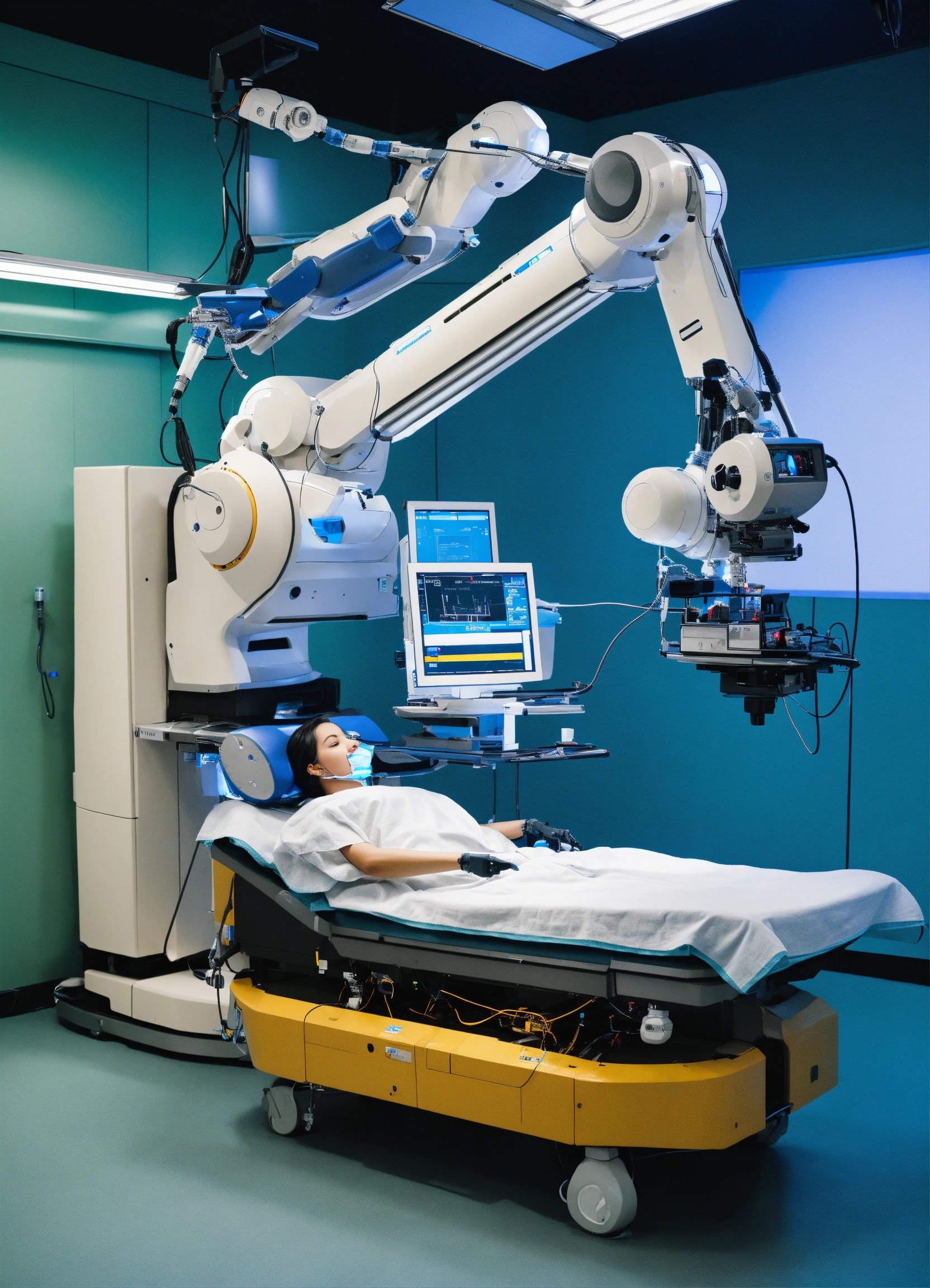
Robotic technology has emerged as a game-changer in the field of surgery, revolutionizing the way surgical procedures are conducted. Robotic assisted surgery has becoming synonymous with precision and accuracy. Surgeons can now perform intricate procedures with enhanced dexterity and 3D visualization, reducing the risk of human error. The outcomes are remarkable, with patients experiencing less pain, shorter hospital stays and quicker recoveries.

KEYWORDS -  Robotics, Surgery, Patient outcomes, Surgical innovation, Precision surgery. 

INTRODUCTION 

In the ever-evolving landscape of modern medicine, technological advancements have continually reshaped the way healthcare is delivered. Among these groundbreaking innovations, the integration of robotics into the field of surgery has emerged as a transformative force, redefining the boundaries of what is possible in the operating room. Robotics in surgery, often referred to as robotic-assisted surgery or minimally invasive surgery, represents a dynamic convergence of technology, medical expertise and patient-centric care. As the term “robotics” suggests, these surgical systems involve the use of highly advanced robots and computer technology to assist and in some cases, replace the surgeon’s hands, making even the most intricate and delicate procedures more manageable. Traditional surgical technique, while highly effective, can sometimes be limited by human factors, such as hand tremors and fatigue. Robotics offers a solution to these limitations. By utilizing robotic arms and instruments, surgeons can overcome these limitations. This precision has a direct and positive impact on patient outcomes. It means shorter recovery times, reduced post-operative pain, and fewer complications, ultimately leading to improved quality of life for patients. 

Da Vinci Surgical System:

 The system consists of robotic arms equipped with surgical instruments and cameras. These arms are controlled by the surgeon, who operates from a console in the operating room.

 High-definition 3D cameras provide surgeons with an immersive and detailed view of the surgical site, enabling them to perform precise and delicate movements.

 The robotic arms are designed with highly flexible, wristed instruments that mimic the natural movements of the human hand with a wider range of motion and improved dexterity.

 The Da Vinci Surgical system is used in a variety of surgical specialties including urology, Gynecology, General surgery, Cardiac surgery. 

Before Robotics in Surgery

 Many surgical procedure required open surgery, involving large incisions that often led to more pain, longer recovery times and increased risk of complication.

 Differences in surgical outcomes

 Limited minimally invasive options

 Extended hospital stay

After Robotics in Surgery

 Minimally invasive surgery

 Enhanced precision

 Shorter recovery times

 Improved patient outcomes

 Broader range of procedures

CONCLUSION

While the Da Vinci Surgery system has revolutionized surgery in many ways, it is important to note that its use requires specialized training for surgeons and a substantial financial investment for healthcare institutions. Additionally, ethical and regulatory considerations are crucial to ensure the responsible and safe use of this technology in the operating room.

Thursday, August 25, 2022

AI IN CRIMINAL JUSTICE SYSTEM

Written by : Chandana V , Ajay M (1st year MCA)

ABSTRACT

The integration of Artificial Intelligence (AI) in the criminal justice system represents a paradigm shift in the way societies approach law enforcement, judicial processes, and offender rehabilitation. This paper explores the multifaceted impacts of AI on the criminal justice landscape, focusing on key areas of innovation and transformation. Utilizing advanced algorithms, machine learning, and big data analytics, AI systems enhance law enforcement efforts through predictive policing, enabling proactive crime prevention and resource optimization. In the courtroom, AI-driven tools aid legal professionals in analyzing vast amounts of legal data, facilitating quicker and more accurate decision-making. Moreover, AI algorithms are employed to assess the risk of reoffending, aiding in personalized sentencing and parole decisions, thereby promoting rehabilitation and reducing recidivism rates. While AI holds the potential to revolutionize criminal justice, ethical considerations such as bias mitigation, transparency, and privacy preservation remain paramount. Addressing these concerns is essential to building a just and equitable AI-powered criminal justice system. Additionally, the paper delves into the societal implications, emphasizing the need for interdisciplinary collaboration between technologists, policymakers, legal experts, and ethicists. Through this collaborative approach, AI in criminal justice can uphold fundamental rights, foster public trust, and create a safer, fairer society. This study synthesizes current research, policy initiatives, and real-world implementations, shedding light on the transformative power of AI in shaping the future of criminal justice.

KEYWORDS - Artificial Intelligence, Criminal Justice System, Predictive Policing, Criminal Profiling, Evidence Analysis, Judicial Decision-making, Prison Management, Ethics, Transparency, Accountability.

INTRODUCTION

Artificial Intelligence in Criminal Justice - Revolutionizing Law and Order Artificial Intelligence (AI) has emerged as a transformative force across various domains, and one of its most promising applications lies within the realm of criminal justice. In recent years, the integration of AI technologies into law enforcement, judicial proceedings, and offender rehabilitation programs has ushered in a new era, promising increased efficiency, accuracy, and fairness. This evolution is driven by the remarkable ability of AI systems to process vast amounts of data, identify patterns, and make predictions, empowering law enforcement agencies and legal professionals with invaluable insights. Traditionally, law enforcement agencies have relied on reactive approaches to combat crime, responding to incidents after they occur. However, the introduction of AI-powered predictive policing has revolutionized this paradigm. Predictive policing utilizes complex algorithms and historical crime data to identify high-risk areas and anticipate potential criminal activities. By analyzing patterns and trends, law enforcement can strategically allocate resources, deter criminal behavior, and prevent crimes before they happen. This proactive approach not only enhances public safety but also optimizes resource allocation, ensuring that law enforcement agencies operate more effectively. In the courtroom, the integration of AI has streamlined various processes, offering support to legal professionals in unprecedented ways. AI-powered tools are capable of sifting through extensive legal documents, case histories, and precedents, significantly reducing the time and effort required for legal research. Natural Language Processing (NLP) algorithms enable these tools to comprehend and analyze vast volumes of text, providing lawyers and judges with relevant information to support their arguments and decisions. Moreover, AI systems can assess the probability of case outcomes based on historical data, aiding legal professionals in devising effective litigation strategies. This data- driven approach not only expedites legal procedures but also ensures a more equitable dispensation of justice. Beyond law enforcement and courtroom proceedings, AI technologies are making significant strides in offender rehabilitation and parole prediction. By analyzing various factors such as criminal history, behavior patterns, and socio-economic indicators, AI algorithms can assess the risk of reoffending. These assessments enable corrections officials to design personalized rehabilitation programs that address the specific needs of each offender, ultimately reducing the likelihood of future criminal activities. Additionally, AI- driven parole prediction models assist parole boards in making informed decisions, balancing the imperative of public safety with the potential for an offender's successful reintegration into society. However, the integration of AI in criminal justice is not without its challenges. Ethical concerns, particularly surrounding issues of bias and privacy, demand careful consideration. Biased data used to train AI algorithms can perpetuate existing prejudices within the criminal justice system, leading to unjust outcomes. Ensuring fairness and transparency in AI algorithms is paramount to building a just and equitable system. Moreover, the ethical use of AI necessitates clear guidelines and regulations to protect individual privacy rights while harnessing the technology's potential for societal good. This exploration into the realm of AI in criminal justice delves into the multifaceted applications, benefits, and ethical considerations associated with this transformative technology. By understanding the complexities and opportunities offered by AI, society can navigate the path towards a more efficient, fair, and accountable criminal justice system, ultimately enhancing the safety and well-being of communities worldwide.

METHODOLOGIES THAT ARE ADAPTED

Limitations of Risk Assessment Tools AI technologies do not necessarily have greater predictive accuracy than other risk assessment instruments. However, they can improve pretrial assessments by considering many risk factors before determining whether an individual should be granted a release or not. Some of the risk factors that can be considered include any pending charges at the time of the offense including previous violent convictions, past failure-to-appear-for-court hearings; and prior sentences to incarceration.

It is also important for law enforcement and court systems to recognize the biases that can exist in using predictive tools in pretrial risk assessment:

 Bias and data. Risk assessment tools are driven by algorithms informed by historical crime data, using statistical methods to find patterns and connections. Thus, it will detect patterns associated with crime, but patterns do not look at the root causes of crime. Often, these patterns represent existing issues in the justice system. Data can reflect social inequities, even if variables such as gender, race or sexual orientation are removed. The populations that have historically been targeted by law enforcement are at risk of algorithmic scores that label them likely to commit crimes.

 Bias and humans. AI technology can also reinforce human biases. Some assessments may perpetuate the misconceptions and fears people have that drive mass incarceration. Court decisions may be influenced by implicit biases. Therefore, users of AI in the justice system need to watch for potential negative feedback loops that cause an algorithm to become increasingly biased over time. AI can improve critical decision-making in criminal justice, particularly in pretrial risk assessments. Algorithms, when used carefully, make decisions more consistent and transparent. Ultimately, humans need to be aware of biases and must ensure predictive analytics support legal and ethical standards with fairness in mind.

 COMPAS (Correctional Offender Management Profiling for Alternative Sanctions), which(mainly) predicts whether or not an individual will reoffend.

 Pred Pol, which predicts where crimes may occur (place of crime) and on that basis calculates how best to allocate police resources.

 HART (Harm Assessment Risk Tool), which also predicts the risk of reoffending when deciding whether or not to prosecute.

USE OF AI IN LAW ENFORCEMENT :

 Prediction: This involves using AI to analyse data to identify individuals or areas that are at risk of crime. This information can then be used to deploy law enforcement resources more effectively. This proactive approach can lead to crime reduction and improved public safety.

 Automatic license plate readers: These devices can scan license plates and automatically identify vehicles that are associated with crime. This can help law enforcement track down suspects and prevent crimes.

 Facial recognition: This technology can be used to identify suspects from surveillance footage or mugshots. This can help law enforcement solve crimes more quickly. While facial recognition has its ethical implications, when used responsibly, it can be a powerful tool in combating crime.

 Crime scene analysis: AI can be used to analyse crime scene data, such as fingerprints and DNA, to help investigators identify suspects and solve crimes.

USE OF AI IN COURTS :

 Decision-making: AI can be used to help judges make decisions about bail, sentencing, and parole. This can help to ensure that decisions are fair and accurate.

 Risk assessment: AI can be used to assess the risk of recidivism for offenders. This information can then be used to make decisions about sentencing and parole.

 Case management: AI can be used to automate tasks such as scheduling hearings and managing case files. This can free up court staff to focus on other tasks.

 Legal research: AI can be used to analyse legal documents, statutes, and case precedents to assist lawyers in finding relevant information quickly. These AI- powered tools can save hours of manual research and enable legal professionals to focus on higher-value tasks, ultimately improving the efficiency of the legal system.

USE OF AI IN CORRECTIONS :

 Rehabilitation: AI can be used to develop personalized rehabilitation plans for offenders. This can help offenders to address the underlying issues that led to their criminal behaviour.

 Risk assessment: AI can be used to assess the risk of violence or escape for offenders. This information can then be used to make decisions about security and programming.

 Staffing: AI can be used to match offenders with the appropriate treatment programs and staff. This can help to ensure that offenders receive the care they need. The use of AI in the criminal justice system is a rapidly evolving field. There are many potential benefits to using AI, but there are also some risks that need to be considered. It is important to carefully evaluate the risks and benefits of AI before deploying it in the criminal justice system.

BENEFITS OF AI

 Increased efficiency: AI can automate tasks that are currently performed by humans, freeing up resources to focus on other priorities.

 Improved accuracy: AI can analyse data more quickly and accurately than humans, which can lead to better decision-making.

 Increased fairness: AI can be used to remove human bias from decision-making, which can lead to more just outcomes.

DEVELOPMENT IN THE FIELD OF AI AND CJS IN INDIA

There has been an attentive growth in the usage of AI in India in various fields. One prominent example of this is, NITI Aayog which published an article titled 'National Strategy for Artificial Intelligence #AI4ALL' in order to bring awareness among people to make use of AI in a fair mean. It shows how artificial intelligence (AI) can be used successfully in five key sectors in India, which includes education, healthcare, agriculture, smart cities and infrastructure, smart mobility, and transportation. The Indian judiciary has already put in place communication technology and basic information infrastructure through the eCourts Project and is now trying to get advantage of AI's potential. The Supreme Court’s AI committee has launched and tested two softwares. A neural translation tool Supreme Court Vidhik Anuvaad Software (SUVAAS) which helps to translate judicial documents to and from English into 9 different languages has been launched.

CASE STUDY 

In 2016, the Chicago Police Department began using an AI-powered predictive policing tool called Pred Pol. The tool analyses crime data to identify areas where crimes are likely to occur. The police department has said that Pred Pol has helped them to reduce crime in some areas of Chicago. In the case of Justice K.S. Puttaswamy (Retd.) and Another v. Union of India and Others (2017), the Supreme Court of India held that the right to privacy is a fundamental right under the Indian Constitution. This decision could potentially be used to challenge the use of AI in the criminal justice system if it is found to violate the right to privacy. In the United States, there have been a few cases that have dealt with the use of AI in the criminal justice system. For example, in the case of United States v. Loomis (2018), the Ninth Circuit Court of Appeals that held that the use of a risk assessment algorithm in a pretrial detention decision violated the defendant’s right to due process. The court found that the algorithm was not sufficiently transparent and that it was not clear how the algorithm was making its decisions.

In 2018, the US Department of Justice announced that it would be using AI to help to assess the risk of recidivism in federal offenders. The AI technology will be used to analyse data on offenders’ criminal histories, demographics, and other factors to predict their risk of reoffending.

CONCLUSION

AI technology has the potential to revolutionize the criminal justice system, enhancing crime prevention, investigation, and decision-making processes. Form crime prediction and prevention to forensic analysis, facial recognition, and sentencing recommendations, AI can significantly improve the efficiency and fairness of the legal landscape. However, the responsible implementation of AI in the criminal justice system requires addressing challenges such as bias, privacy concerns, and maintaining accountability. By striking a balance between the benefits and potential risks, we can leverage AI’s power to create a more just and efficient criminal justice system. The integration of Artificial Intelligence (AI) into the criminal justice system represents a watershed moment in the evolution of law and order. As we conclude our exploration into this transformative realm, it is evident that AI technologies hold immense promise, reshaping the landscape of crime prevention, law enforcement, legal proceedings, and offender rehabilitation. However, with these promises come significant responsibilities. In conclusion, AI in the criminal justice system represents a monumental stride towards a safer, more efficient, and just society. However, its success hinges on our ability to address ethical challenges, mitigate biases, and establish a legal framework that safeguards fundamental rights. As we move forward, embracing the potential of AI while remaining vigilant about its ethical implications will pave the way for a future where technology completes human expertise, creating a criminal justice system that is both fair and effective, fostering trust and ensuring justice for all.

REFERENCES 

1.https://in.search.yahoo.com/search?fr=mcafee&type=E210IN714G0&p=artificial +intelligence+in+criminal+justice+system+by+heraaiman

2. https://blog.carlow.edu/2021/07/27/artificial-intelligence-in-criminal-justice/

3. https://blog.ipleaders.in/ai-and-indian-criminal-justice-system/

4.https://in.search.yahoo.com/search?fr=mcafee&type=E210IN714G0&p=ai+by+le gal+services+india 

Thursday, July 21, 2022

AI IN HUMAN RESOURCE

Written by : SIBBALA SUSHMASHREE , SUSHMITHA E (1st year MCA)

Artificial Intelligence (AI) is increasingly being used in various aspects of human resources (HR) management to enhance efficiency, improve decision-making processes, and create a better overall employee experience. Here are several ways AI is being applied in HR:

1. RECRUITMENT AND TALENT ACQUISITION :

Resume Screening: AI algorithms can quickly scan resumes to identify qualified candidates, saving HR professionals a significant amount of time.

Chatbots: AI-powered chatbots can engage with job applicants, answer their questions, and even conduct initial interviews.

Predictive Analytics: AI can analyze past hiring data to predict which candidates are likely to succeed in specific roles.

2. EMPLOYEE ON BOARDING :

Personalized On boarding: AI can create personalized onboarding plans for new employees based on their skills, roles, and learning styles.

Automated Paperwork: AI can handle administrative tasks like paperwork processing, allowing HR staff to focus on more strategic aspects.

3.  EMPLOYEE ENGAGEMENT AND RETENTION :

Sentiment Analysis: AI can analyze employee feedback and sentiment from surveys, emails, or social media to gauge employee satisfaction and identify potential issues.

Predictive Analytics: By analyzing various data points, AI can predict which employees are at risk of leaving, allowing HR to take proactive measures.

4. LEARNING AND DEVELOPMENT : 

Personalized Learning Paths: AI can recommend personalized training and development programs based on employees' skills, roles, and career goals.

Adaptive Learning: AI can adjust the difficulty of training modules based on employees' performance, ensuring optimal learning.

5. PERFORMANCE MANAGEMENT :

360-Degree Feedback Analysis: AI can analyze feedback from multiple sources to provide a comprehensive view of an employee's performance.

Real-Time Feedback: AI-powered tools can provide real-time feedback to employees based on their ongoing performance.

6. HR ANALYTICS : 

Data Analysis: AI algorithms can analyze large sets of HR data to identify trends, patterns, and correlations, helping HR professionals make data-driven decisions.

Workforce Planning: AI can assist in predicting future workforce needs based on current trends and historical data.

7. EMPLOYEE WELL BEING

Mental Health Support: AI-powered chatbots or apps can provide mental health support to employees, offering resources and coping strategies.

Health and Activity Tracking: AI can monitor employees' health and activity levels to promote overall well-being.

8. HR OPERATIONS : 

Automation: AI can automate routine HR tasks such as scheduling interviews, processing paperwork, and answering frequently asked questions.

Natural Language Processing (NLP): AI-driven chatbots equipped with NLP can understand and respond to complex HR-related queries.

CHALLENGES AND CONSIDERATIONS : 

Implementing AI in HR comes with challenges such as data privacy concerns, ethical considerations, and the need for continuous monitoring to avoid biases in algorithms. HR professionals need to collaborate closely with data scientists and AI specialists to ensure that AI technologies are used responsibly and ethically. In summary, AI in human resources has the potential to revolutionize HR practices by automating mundane tasks, providing valuable insights, and enhancing the overall employee experience. However, it's crucial to strike a balance between technological advancement and ethical considerations to ensure fair and unbiased HR processes.

The Collatz Conjecture: A Simple Problem with Complex Implications

Mrs. Vidyashree H R Assistant Professor Department of Science NCMS   Introduction Mathematics is full of simple yet unsolved problems, and...